Fear vs Awareness
Being afraid of what could happen is not the same as recognising danger.
Fear
Fear reacts.
Awareness
Awareness observes.
| Fear | Awareness | |
|---|---|---|
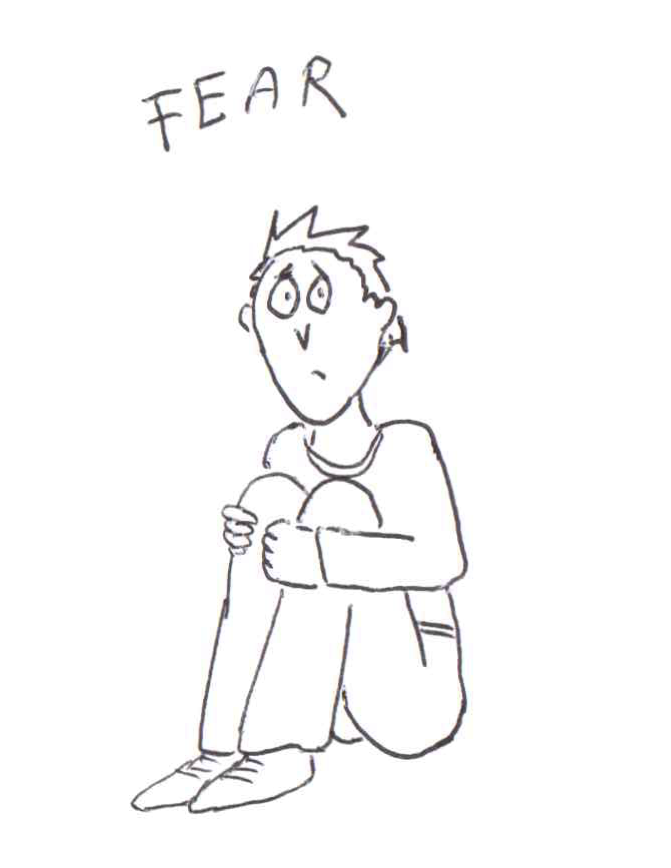 |
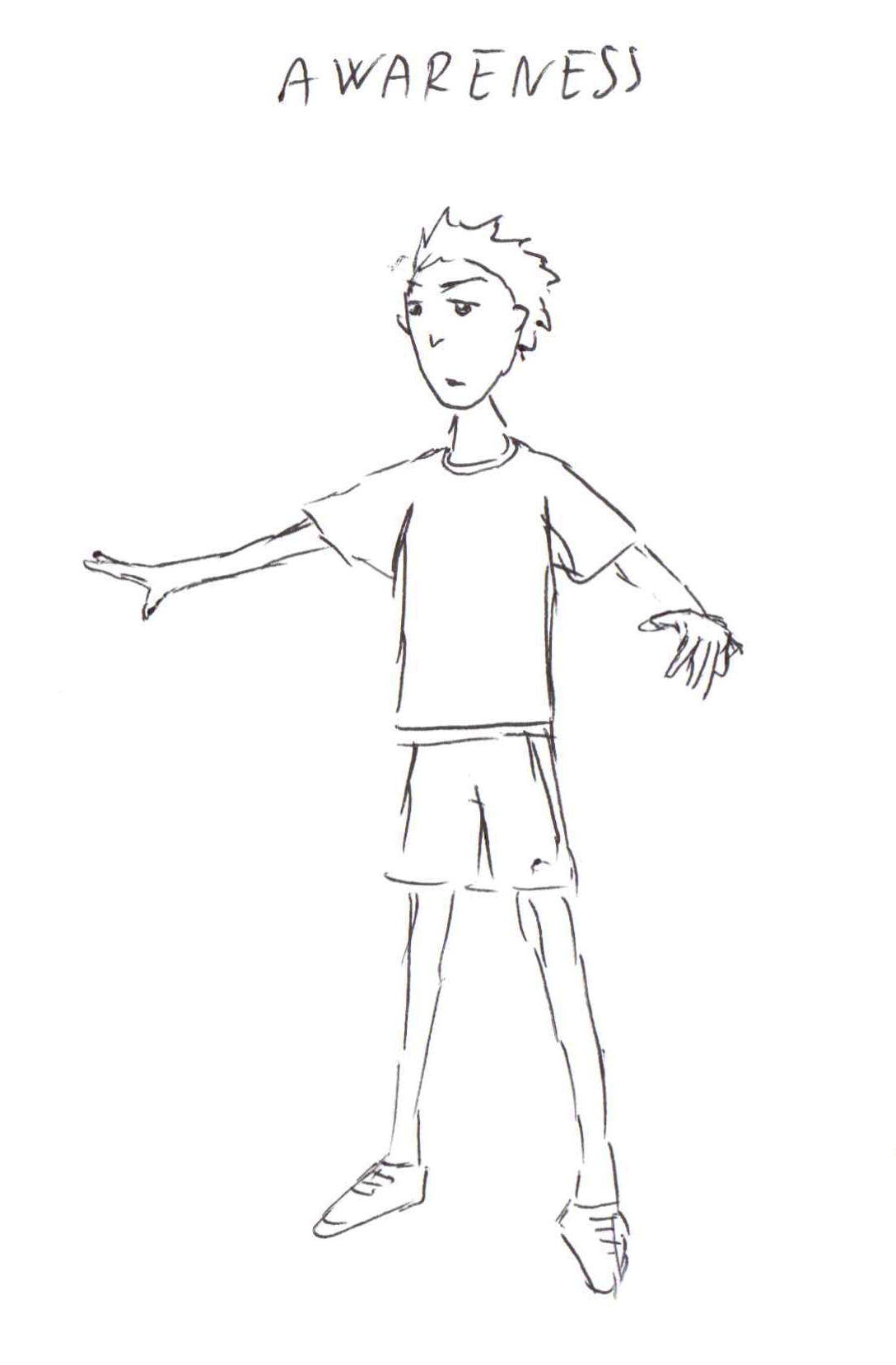 |
|
| Focus | What could go wrong | What is actually happening |
| Nature | Emotional response | Perception and understanding |
| Thinking | Often narrows perspective | Broadens perspective |
| Attention | Drawn toward threats | Open to relevant information |
| Decision-making | Can become reactive or avoidant | Can be deliberate and informed |
| Relationship with uncertainty | Anticipates danger | Recognises what is known and unknown |
| Typical question | "What if something bad happens?" | "What evidence do I have?" |
| Outcome | Protection, sometimes paralysis | Understanding and appropriate action |
Fear can turn possibilities into emotional realities, and even distract from real dangers. Awareness distinguishes possibilities from facts and accounts for real dangers without being consumed by them.
The fundamental difference between fear and awareness is that fear is an emotional response to perceived danger, whereas awareness is the ability to recognise and understand what is happening without necessarily reacting emotionally.
An example
Imagine walking alone at night and hearing footsteps behind you.
Fear: "Someone is following me. I'm in danger!"
Awareness: "I hear footsteps behind me. I don't yet know who it is or whether they present a threat. I'll pay attention to my surroundings and choose an appropriate response."
Awareness does not mean ignoring danger. It means assessing danger without automatically treating every possibility as reality.
The deeper distinction
Fear can be useful. It alerts us to threats and prepares us to act. But it can also distort perception by making imagined threats feel like established facts.
Awareness allows us to recognise fear itself, distinguish feelings from evidence, and respond proportionately.
Importantly, awareness and fear are not opposites. You can be afraid and fully aware at the same time. In immediate danger, fear may even sharpen awareness.
The goal is therefore not to eliminate fear, but to prevent it from controlling our interpretation of reality.
In one sentence:
Fear responds to what we believe might happen; awareness recognises what is happening, what might happen, and the difference between the two.